
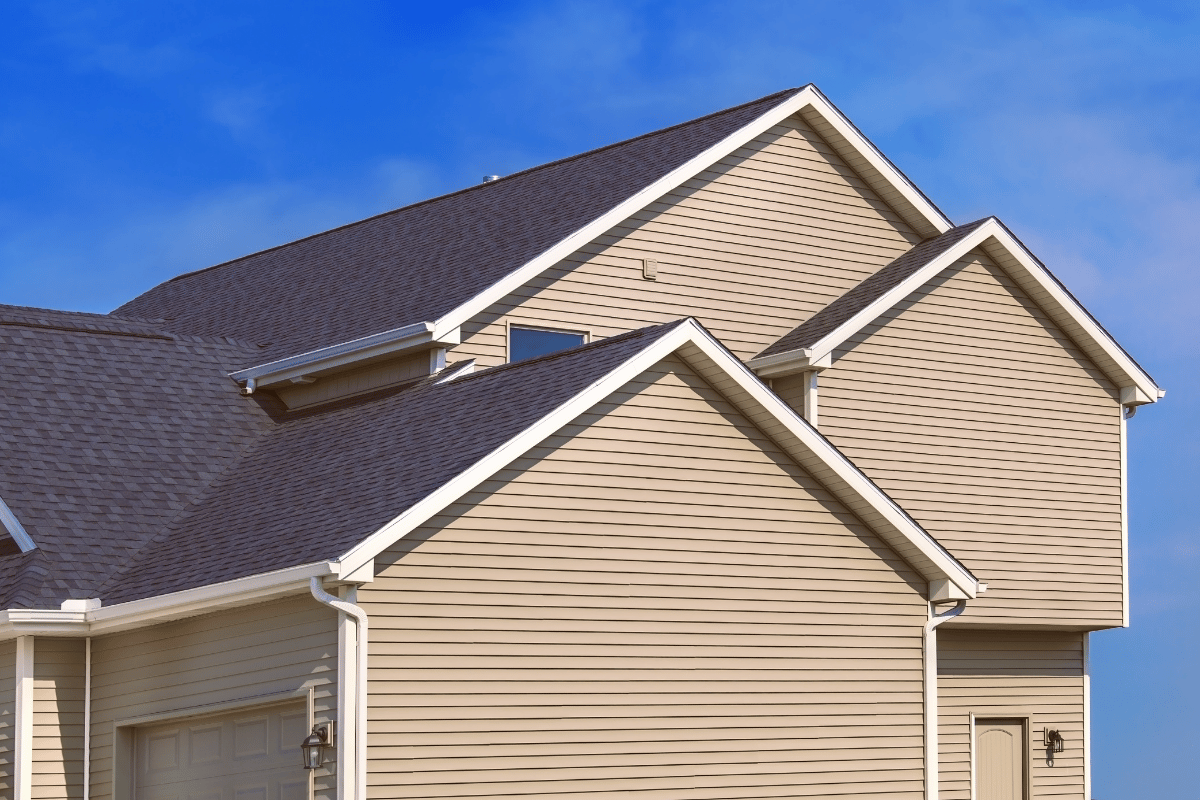
If you have ever looked at the outside of a house and wondered what is siding, the simple answer is that it is the protective material covering the exterior walls. But good siding does much more than give a house its color and style. It helps manage rain, wind, moisture, temperature changes, pests, and everyday exposure while giving your home a finished appearance.
For Washington homeowners, that protective role matters. Frequent rain and long periods of moisture mean your home’s exterior needs to work as a complete system, not simply look attractive from the street.
A Few Things Every Homeowner Should Know About Siding
- Siding helps shield the wall structure from weather and moisture.
- Installation quality can matter as much as the siding materials you choose.
- Vinyl, fiber cement, wood, engineered wood, aluminum, and brick all have different strengths.
- The material itself is not the home’s only defense against water.
- Siding styles can change the character of a home without changing its basic structure.
- Cracks, loose sections, swelling, rot, and repeated paint failure can signal that an inspection is needed.
What Is Siding Actually Doing for Your House?
Siding is the outer protective layer installed over a home’s wall assembly. It helps shed rain, limit weather exposure, protect underlying components, and create the visible design of the house.
In simple terms, siding is an exterior covering most often made from vinyl, wood, fiber cement, engineered products, metal, or similar materials.
The important detail homeowners sometimes miss is that siding is not supposed to work alone. Water can get behind exterior siding through joints, openings, windows, doors, and penetrations. A properly built wall also relies on a water-resistive barrier, flashing, drainage details, and careful sealing.
That is especially important in a wet climate. Simply replacing damaged boards without checking what is happening behind them can leave the real moisture problem untouched.
Which Siding Materials Are Most Common?
There is no single best type for every property. Climate, maintenance expectations, architectural design, budget, and existing construction all influence the choice.
| Material | Why Homeowners Choose It | Typical Consideration |
|---|---|---|
| Vinyl siding | Low maintenance and broad color selection | Can crack or warp under certain conditions |
| Fiber cement | Durable, versatile, and suited to many siding styles | Heavier and requires careful installation |
| Wood siding | Natural appearance and architectural warmth | Requires more regular maintenance |
| Aluminum siding | Lightweight and resistant to rot | Can dent and may show age over time |
| Brick | Long service life and classic appearance | Higher installation cost and different wall detailing |
Wood siding remains popular when homeowners want authentic texture. Natural wood can look beautiful, but keeping it protected usually means more attention to coating, staining, damaged areas, and moisture exposure.
Fiber cement offers another look homeowners often associate with painted wood. James Hardie is one well-known manufacturer of fiber cement products. These products can provide strong durability when installed according to the appropriate specifications.
Vinyl siding generally requires less ongoing maintenance and is available in many profiles and colors. The right material depends less on which option is most popular and more on how well it fits the house and the owner’s priorities.
Stucco is another exterior finish. It is essentially a cement-based plaster made for exterior wall systems and requires its own moisture-management details.
How Do Siding Styles Change a Home’s Appearance?
Material and style are two different decisions. The same siding materials may be available in several profiles.
Traditional lap siding creates horizontal lines across the house. You will often see horizontal siding installed in overlapping courses that help direct water downward. Board-and-batten uses wide vertical boards with narrower strips over the joints, creating a taller, more defined appearance. Shingle or shake-style products can add texture to gables and accent areas.
Understanding basic siding terminology helps when discussing a project with a contractor because terms such as lap, panel, trim, soffit, fascia, and flashing describe different parts of the exterior system.
From a real estate perspective, the best design is usually one that fits the home’s architecture rather than simply following a short-lived trend.
Why Does Siding Installation Matter So Much in Washington?
The visible surface receives most of the attention, but some of the most important work happens behind it.
Exterior cladding cannot be expected to stop every drop of water by itself. A properly planned system provides another line of defense behind the siding so moisture that gets through can move safely back toward the exterior.
That means a professional siding project may involve more than attaching new panels. The crew may need to evaluate:
- Existing sheathing and signs of water damage
- House wrap or another water-resistive barrier
- Flashing around windows, doors, and penetrations
- Trim and transition points
- Clearances near roofing, decks, and ground surfaces
- Damaged wood or other materials uncovered during removal
This is one reason the lowest initial cost does not automatically mean the lowest long-term cost. Correct preparation can prevent problems that are much harder to address after the new surface is installed.
How Can You Tell When Siding Needs Attention?
Look for persistent cracking, loose panels, swelling, rot, soft areas, gaps, moisture staining, or damage that keeps returning after minor repairs.
Walk around the house from ground level once or twice a year and after major wind events. You do not need special equipment. Look closely around corners, window edges, penetrations, lower wall sections, and anywhere water regularly drains.
One damaged section may only require a repair. Widespread deterioration, repeated moisture problems, or an aging wall system may make replacement more practical.
If you are still asking what is siding supposed to protect against, think beyond rain hitting the wall. The system must deal with water movement, wind, temperature changes, pests, and years of environmental exposure.
Protecting Washington Homes With Better Siding Work
Washington Sequoia Roofing provides siding installation and replacement for homeowners who want both better exterior appearance and long-term protection. The team considers the existing exterior, material condition, moisture management, and the homeowner’s goals before moving into installation.
Their process includes exterior evaluation, removal of old or damaged material when necessary, preparation and moisture-barrier work, professional installation, and a final inspection. That complete approach matters because a new surface should solve exterior problems rather than simply hide them.
For homeowners deciding between vinyl, fiber cement, wood, engineered wood, or composite options, the company can also help compare durability, maintenance, appearance, and practical performance for Washington conditions.
Why Homeowners Choose Washington Sequoia Roofing
- Family-owned and operated company founded in January 2005
- More than 20 years of family experience in the roofing industry
- Based in Maple Valley, Washington
- Licensed and insured through Washington Labor & Industries
- Washington contractor license WASHISR802PB
- Bilingual customer service in English and Spanish
Contact Washington Sequoia Roofing
Phone: (206) 478-0817
Email: Washseqroof@gmail.com
Service area: Maple Valley, Covington, Renton, Seattle, Tacoma, and surrounding Washington communities.
If your siding is cracked, aging, showing moisture damage, or simply no longer giving your home the protection and appearance you want, contact Washington Sequoia Roofing to discuss the condition of your exterior and your options.
Frequently Asked Questions About Siding
What is siding made of?
Siding can be made from vinyl, natural wood, engineered wood, fiber cement, aluminum, composite materials, brick, and other exterior products. Each material offers a different balance of durability, design, maintenance, and cost.
Is siding waterproof?
No siding system should be treated as completely waterproof. Proper wall construction uses siding together with flashing, drainage, and a water-resistive layer to manage moisture that gets behind the outer surface.
How long does house siding last?
Service life depends heavily on the material, installation, weather exposure, and maintenance. Vinyl and wood commonly last for decades, while properly maintained fiber cement, aluminum, brick, and other durable systems may last considerably longer.
Can you replace only part of damaged siding?
Yes, localized siding repair may be possible when damage is limited and compatible replacement material is available. Widespread deterioration or hidden water damage can make larger replacement work more practical.
Does new siding improve energy efficiency?
Siding can support a better-performing exterior system, but the material alone does not determine energy efficiency. Insulation, air sealing, wall construction, and installation details also affect indoor comfort and energy performance.
Should siding be replaced at the same time as a roof?
Not always, but coordinating the projects can be useful when both systems are aging. Roof-to-wall transitions, flashing, gutters, and other exterior details can then be evaluated together instead of as unrelated components.
