
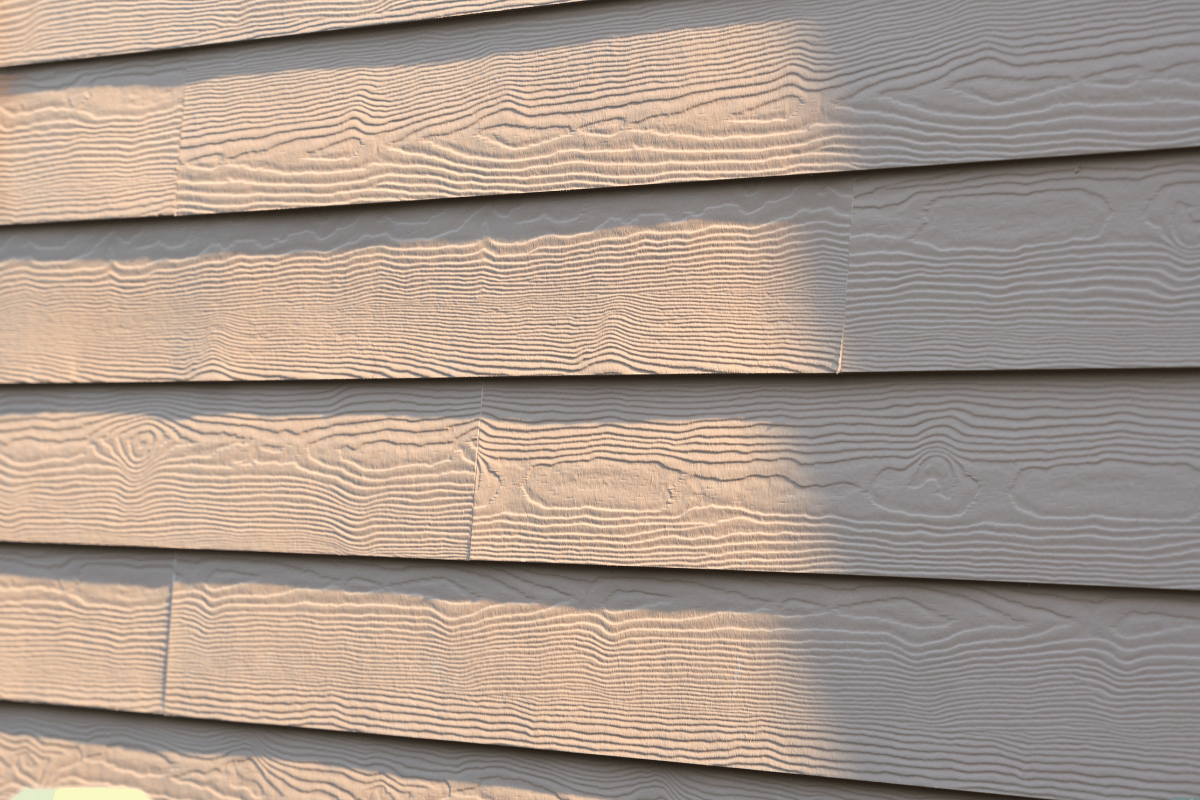
Choosing new siding is a major decision for any homeowner. Your exterior affects more than the appearance of your property. It helps protect the structure from rain, moisture, wind, changing temperatures, and everyday exposure to the elements.
So, what is fiber cement siding, and why do so many homeowners consider it for exterior remodeling projects?
Fiber cement siding is a durable exterior cladding material made from a carefully engineered combination of cement, sand, water, and cellulose fiber. The result is a strong material that can provide the appearance of traditional wood while requiring less routine maintenance.
For homeowners in Maple Valley, Renton, Seattle, Tacoma, and surrounding Western Washington communities, selecting an exterior material that can handle wet and changing weather conditions is important. Fiber cement offers a combination of strength, design flexibility, and long-term value that makes it worth considering.
How Is Fiber Cement Siding Made?
Fiber cement is a composite material. While specific manufacturing methods vary between products, the material generally combines Portland cement, sand, water, and cellulose fiber.
Each component serves a purpose. Cement contributes strength, while cellulose fiber helps reinforce the material. The finished boards are manufactured in different profiles, textures, and dimensions to create several exterior design options.
Depending on the type of home and the desired appearance, homeowners may choose:
- Horizontal plank siding
- Vertical panels
- Board-and-batten designs
- Shingle or shake-style profiles
- Smooth modern finishes
- Textured wood-look finishes
This flexibility allows cement siding to complement traditional homes, modern properties, craftsman-style houses, and many other architectural designs found throughout the Puget Sound region.
Why Is Fiber Cement a Popular Siding Choice?
Homeowners often want an exterior that looks attractive without creating an unreasonable maintenance burden. Fiber cement siding provides a balance between visual appeal and practical performance.
Strong Performance for Washington Weather
Western Washington homes regularly experience rain, moisture, wind, and seasonal temperature changes. Exterior materials must be properly selected and installed to provide dependable performance in these conditions.
Fiber cement is valued for its dimensional stability and durability. Unlike natural wood, it does not depend on the same level of routine staining or sealing to maintain its basic material integrity.
However, no siding material performs properly without correct installation. Flashing, clearances, moisture management, caulking, and other exterior details remain essential parts of a complete siding system.
A Low-Maintenance Material for Busy Homeowners
Many homeowners appreciate the look of painted wood but do not want the ongoing maintenance associated with natural wood siding.
Fiber cement is often considered a low-maintenance material because it does not require the same routine care as traditional wood. Regular exterior inspections and occasional cleaning are still recommended. Painted surfaces may eventually require refinishing depending on the product, finish, exposure, and environmental conditions.
Versatile Exterior Design Options
One of the strongest advantages of cement siding is its versatility. Homeowners can choose from multiple profiles, textures, and colors to create an exterior that fits the character of the property.
Fiber cement can imitate the appearance of wood grain, create clean horizontal lines, or provide a more contemporary panel-style appearance. It can also be combined with contrasting trim and accent sections to create visual depth.
Fiber Cement Siding vs. Traditional Wood Siding
Natural wood remains attractive to many homeowners, but it comes with maintenance considerations. Moisture exposure, insects, rot, and ongoing painting or staining can increase the amount of attention a wood exterior requires.
Fiber cement siding can provide a wood-inspired appearance without using solid wood as the primary exterior material. This makes it attractive to homeowners who want classic curb appeal with different maintenance requirements.
A properly planned siding project should consider more than appearance alone. Homeowners should also evaluate:
- Local weather exposure
- Existing wall conditions
- Maintenance expectations
- Architectural style
- Project budget
- Installation requirements
- Long-term ownership plans
The best material is not automatically the same for every property. A professional exterior evaluation can help determine which option makes the most sense for a particular home.
How Long Does Fiber Cement Siding Last?
The service life of any exterior material depends on several factors, including product quality, installation, exposure, maintenance, and the condition of the underlying structure.
Fiber cement siding is generally selected as a long-term exterior solution. Proper installation is particularly important because even a strong material can experience problems when water management details, clearances, flashing, or fastening requirements are ignored.
Routine homeowner care should include checking for:
- Damaged or cracked boards
- Failed caulking at appropriate joints
- Peeling or deteriorating paint
- Water drainage problems
- Vegetation touching the exterior
- Gutter or downspout issues that direct water toward walls
Catching small exterior problems early can help protect the siding system and the structure behind it.
Is Cement Siding Completely Maintenance-Free?
No exterior system is truly maintenance-free. Cement siding generally requires less maintenance than some traditional materials, but homeowners should still inspect and care for the exterior.
Basic maintenance may include gentle cleaning, checking painted surfaces, inspecting joints and penetrations, and addressing damage when it appears.
The goal is not constant maintenance. It is responsible preventive care. A short inspection can identify a small issue before moisture reaches deeper layers of the wall assembly.
What Happens During Fiber Cement Siding Installation?
Fiber cement siding installation requires careful planning and attention to manufacturer requirements. The process may vary depending on the condition of the existing exterior and the scope of the project.
Initial Exterior Evaluation
Before installation begins, the contractor should evaluate the existing siding, wall surfaces, trim, flashing details, and areas where water may be entering.
Removing old siding can sometimes reveal hidden damage. Addressing these problems before installing the new exterior is essential for a reliable result.
Moisture Management and Preparation
The exterior wall assembly must be properly prepared before the new siding fiber material is installed. Depending on the project, preparation may involve weather-resistant barriers, flashing, trim details, and other water-management components.
This stage is particularly important for homes in the Seattle and King County region, where frequent rain makes exterior moisture management a major concern.
Careful Board Installation and Finishing
The cement board products must be cut, fastened, spaced, and finished according to the applicable installation requirements. Details around windows, doors, roof-to-wall intersections, and other transitions deserve particular attention.
Professional workmanship matters because the performance of the exterior depends on the entire system, not simply the visible plank siding.
Is Fiber Cement Siding Right for Homes in Western Washington?
For many homeowners, fiber cement siding is worth considering because it combines durability, architectural flexibility, and manageable maintenance needs.
It may be a good option if you want:
- A strong exterior cladding material
- A wood-inspired appearance
- Multiple colors and design profiles
- Lower maintenance than traditional wood
- A long-term exterior remodeling solution
- A material suitable for many home styles
Still, every property is different. Homes in Maple Valley may have different exposure conditions than properties in Seattle, Renton, Bellevue, Tacoma, or communities closer to the water. Trees, shade, roof drainage, wind exposure, and the condition of the existing exterior can all affect the project.
Frequently Asked Questions About Fiber Cement Siding
Is fiber cement the same as vinyl siding?
No. Fiber cement and vinyl are different materials with different compositions, installation requirements, appearances, and performance characteristics. Homeowners should compare both options based on their property, budget, desired style, and long-term expectations.
Can fiber cement look like real wood?
Yes. Many products are manufactured with textured surfaces designed to create the visual appearance of wood grain. Smooth finishes are also available for homeowners who prefer cleaner, more modern exterior lines.
Can damaged cement siding be repaired?
The appropriate repair depends on the type and extent of damage. Small localized problems may be addressed without replacing the entire exterior, while widespread deterioration or underlying moisture damage may require a larger scope of work.
Does fiber cement increase curb appeal?
A well-designed and professionally installed exterior can significantly improve the appearance of a home. Color selection, profile choice, trim details, and installation quality all contribute to the final result.
Is professional installation important?
Yes. Correct installation is critical to the performance of any exterior cladding system. Fiber cement products have specific requirements for fastening, cutting, clearances, flashing, joints, and finishing.
Choosing a Local Siding Contractor in the Seattle Area
A siding project is an investment in both the appearance and protection of your home. Choosing an experienced contractor can help ensure that the project is properly evaluated, planned, and completed with attention to important exterior details.
Washington Sequoia Roofing is a family-owned and Latino-owned local company serving homeowners throughout Maple Valley, King County, and surrounding Washington communities. Since 2005, our team has provided roofing, siding, gutter, and other exterior improvement services with a focus on quality workmanship and customer service.
We serve homeowners across communities including Maple Valley, Renton, Seattle, Tacoma, Bellevue, Covington, Kent, Auburn, Issaquah, Federal Way, and other nearby areas.
Whether your home needs siding installation, siding replacement, roofing work, or gutter services, our experienced team can evaluate your property and help you understand the options available.
Protect Your Home With Quality Exterior Work
Now that you know what is fiber cement siding, the next question is whether it is the right choice for your property.
The answer depends on your home, existing exterior condition, design preferences, budget, and long-term maintenance expectations. Fiber cement siding can provide a durable and attractive solution, but product selection and installation quality both matter.
Washington Sequoia Roofing brings more than two decades of local experience to exterior projects throughout the region. Our team understands that homeowners want clear communication, dependable workmanship, and a finished exterior that protects their investment while improving curb appeal.
If you are considering new siding for your home in Maple Valley, King County, Seattle, Renton, Tacoma, or a surrounding community, contact Washington Sequoia Roofing to discuss your project and request an estimate.
